Bee sanctuaries to be introduced to over 100 holiday parks across British Isles
Honey bee numbers are set to blossom at holiday parks this year, thanks to a new initiative which will see a national network of honey bee-friendly park sanctuaries introduced across the UK.
The ambitious project, headed up by the David Bellamy Conservation Award scheme in conjunction with the British Beekeepers Asociation, is hoped to bring an end to the dramatic decline in various bee species in recent years, thought to be due to the increasing scarcity of food resources and nesting habitats.
More than 100 holiday parks across the UK – from Scotland to Cornwall – have taken the ‘honey bee pledge’ in an effort to increase the bee popularity and, according to David’s son, Rufus, it couldn’t have come at a better time, as he explained:
“Holiday parks are in a position to provide a wide variety of forage crops that, if chosen carefully, can provide food for bees for a long period of time,” he said.
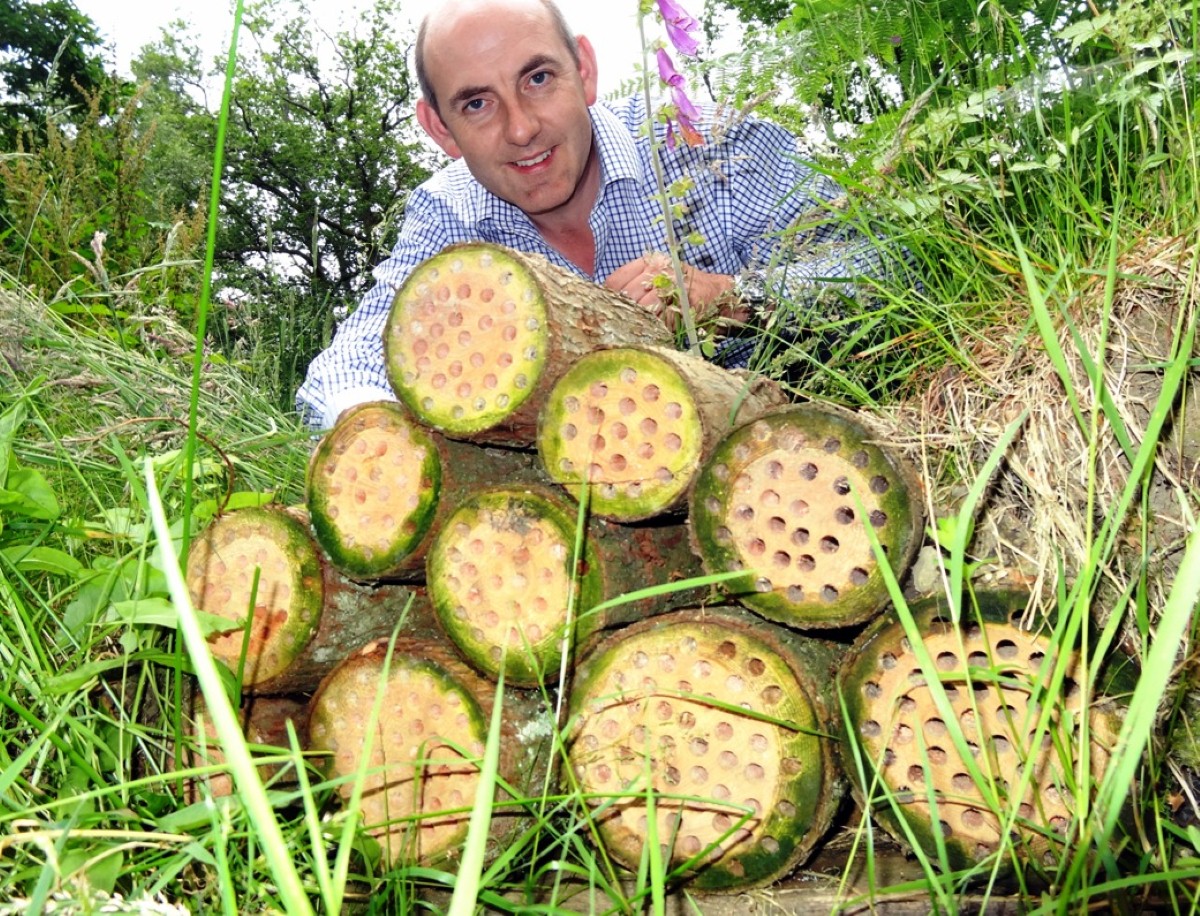
“Parks can also provide places for bees to nest. In fact, a surprising number of parks are already getting into beekeeping, often in conjunction with their local beekeepers association branch.
It’s not just bees that look set to benefit though, with other insects looking set to reap the rewards of the intiative, as Rufus continued.
“Butterflies and other pollinators will also benefit when a holiday park commits to increasing its stock of bee-friendly flowers and shrubs.”
By the end of the year, it is hoped that almost every county in the British Isles will be able to boast at least one honey-bee friendly park. And, as for embracing bees, Rufus believes it’s not just holiday parks that should do their bit in order to preserve the species, adding:
“Another important dimension of our work with the British Beekeepers Association is to help parks enlighten guests about the important role they can play.
“Interpreted walks around the park and its bee-friendly planting schemes can be used to explain why foraging is so important for bees.
“Our hope is that many holidaymakers will use the knowledge to make their own gardens more welcoming to bees and other pollinating insects.”
What do you think about this initiative?