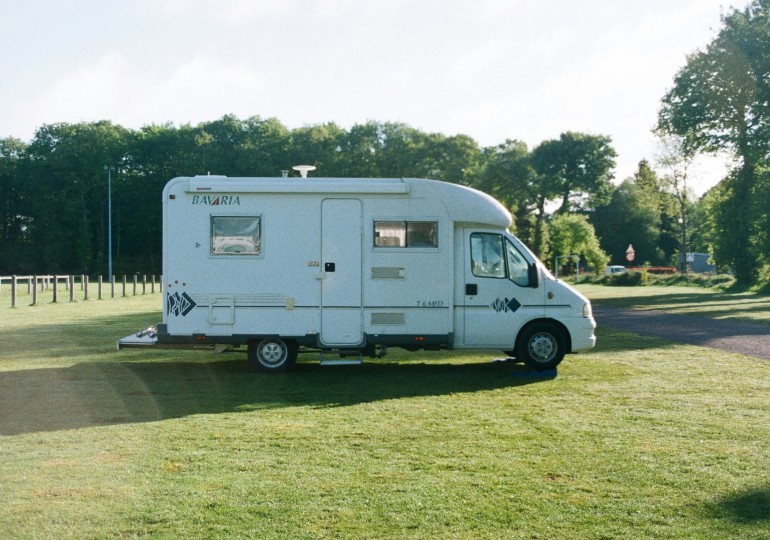

Dog owners planning seaside caravan holidays this summer are being urged to check local beach rules now, as seasonal restrictions come into force from 1 May.
Many UK beaches introduce dog bans or restrictions between May and September, aimed at protecting water quality and ensuring beaches remain clean and safe for visitors during peak months. According to Chris Maxted, director of dog safety gate company Dog-G8, these rules are often enforced under Public Spaces Protection Orders (PSPOs), which give councils the authority to manage dog access.
“Seasonal dog bans on UK beaches are a practical measure to protect water quality and maintain the Blue Flag status that many coastal areas value,” says Mr Maxted. “Dog fouling and urine can have a significant impact on water quality, making it unsuitable for swimming.”
While some beaches enforce full bans during the summer, others operate partial restrictions. These can include requiring dogs to be kept on leads or limiting access to certain areas such as promenades. Assistance dogs are exempt and allowed year-round.
Dog owners who ignore restrictions may face an on-the-spot fine of £100, which can escalate to as much as £1,000 if the case goes to court.
With regulations varying widely between locations, checking ahead is essential. Local council websites typically provide the most up-to-date information on restrictions and dog-friendly areas.
For those looking to avoid the hassle altogether, there are still plenty of beaches across England that welcome dogs all year round. Devon leads the way with 79 dog-friendly beaches, followed by Cornwall with 60. Other popular regions include Northumberland and Dorset, both offering 37 dog-friendly locations.
With about a week to go before restrictions begin, planning ahead can help ensure a stress-free coastal visit, for both you and your furry friend.
Image: Unsplash