by Joe Jeffrey
New nature scheme hopes to enable wildlife to develop as they once did
Guests at a Lakeland holiday park look set to become part of an experiment in time travel, helping areas of the grounds shift hundreds of years back into the past.
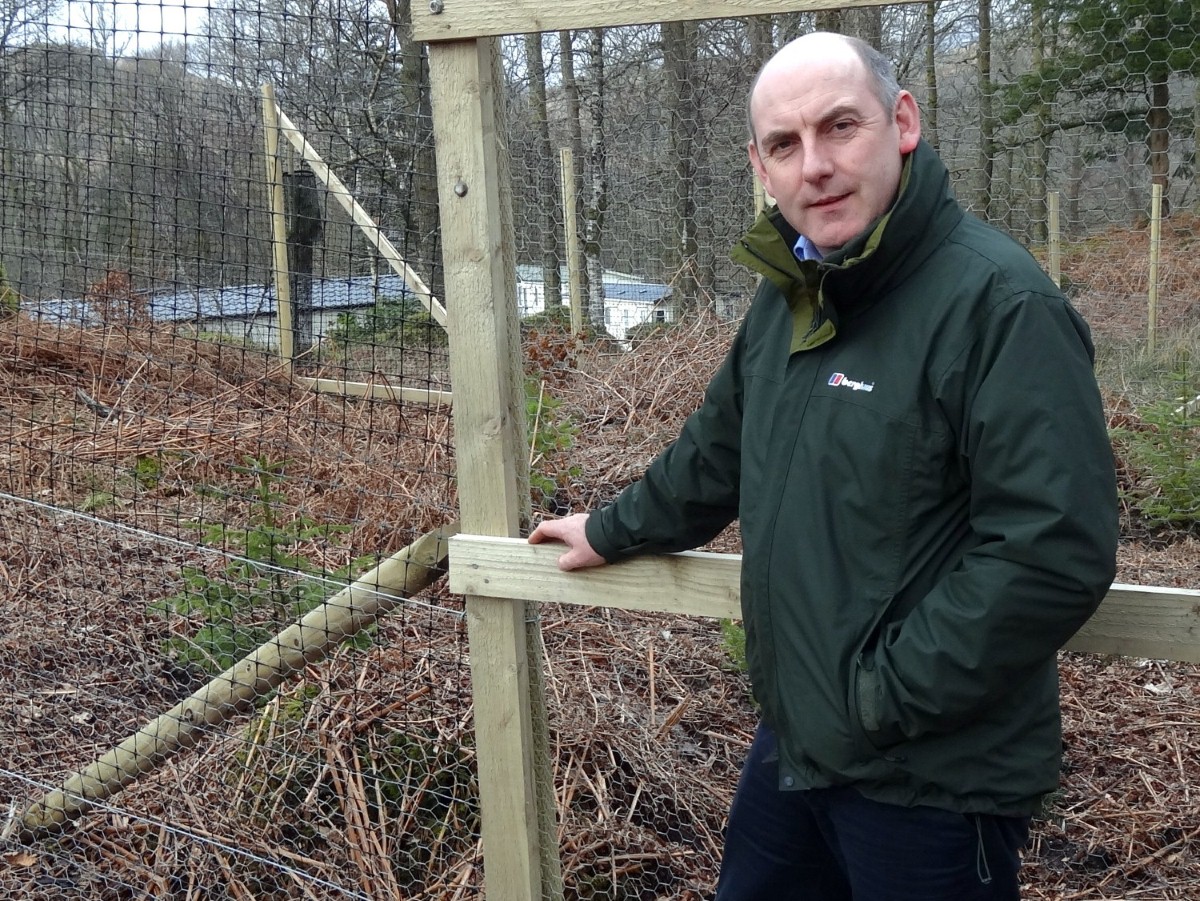
Skelwith Fold, near Ambleside in Cumbria, has created a series of “no-go” woodland enclosures across its 130-acre site which will see plants and animals develop as they once did centuries ago.
The secret to unlocking the past, according to park director, Henry Wild, will be the enforced absence from the enclosures of people – and, even more importantly, of deer.
Like many parts of rural Cumbria, Skelwith Fold’s grounds have been dramatically changed over time by the impact of deer grazing on herbs, shrubs and young trees.
But, according to Wild, the increasing numbers of deer haven’t affected just vegetation, but also wildlife.
Butterflies, bees, mice, voles, and birds such as tits, finches, and woodpeckers are also put under threat by deer feasting on the plants they depend on for food.
However, the fight-back has now begun – and visitors to the multi-award winning park will be able to witness the emergence of native woodlands familiar to our ancient ancestors.
“It’s a fascinating scenario that we are staging here, and it’s unlikely that we will have to wait long to see the first results of the new biodiversity in our enclosures,” said Wild.
“Deer, unfortunately, have a particular passion for both rare and nationally important flowering plants such as orchids, ladies smock, oxlips and bluebells – but they could quickly recover.
“I hope we’ll notice soon the regeneration of these blooms, and then a greater diversity of broadleaf trees like ash, hazel, rowan and willows which deer also love to eat.
“Insects from beetles to butterflies, and animals such as rare snails and shrews will also benefit – and this will have a knock-on effect on birdlife which depend on such species for their diet.
“We dearly love our deer, and there will still be plenty for them to feast on in our grounds outside the fenced enclosures – but what goes on inside could prove extremely interesting,” Wild continued.
The park’s imaginative and often innovative approach to caring for the natural environment has won it the prestigious gold David Bellamy Conservation Award once again this year.
Skelwith Fold’s wildlife-rich grounds also include a colony of red squirrels, who should also be able to reap food benefits from its “Jurassic Park” step back in time.