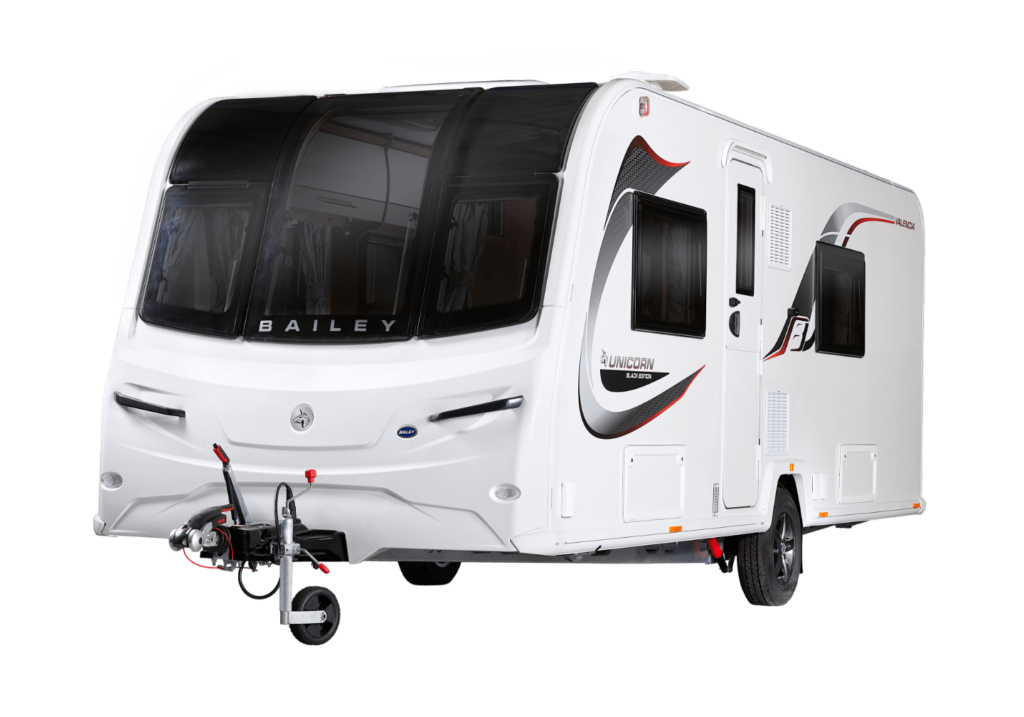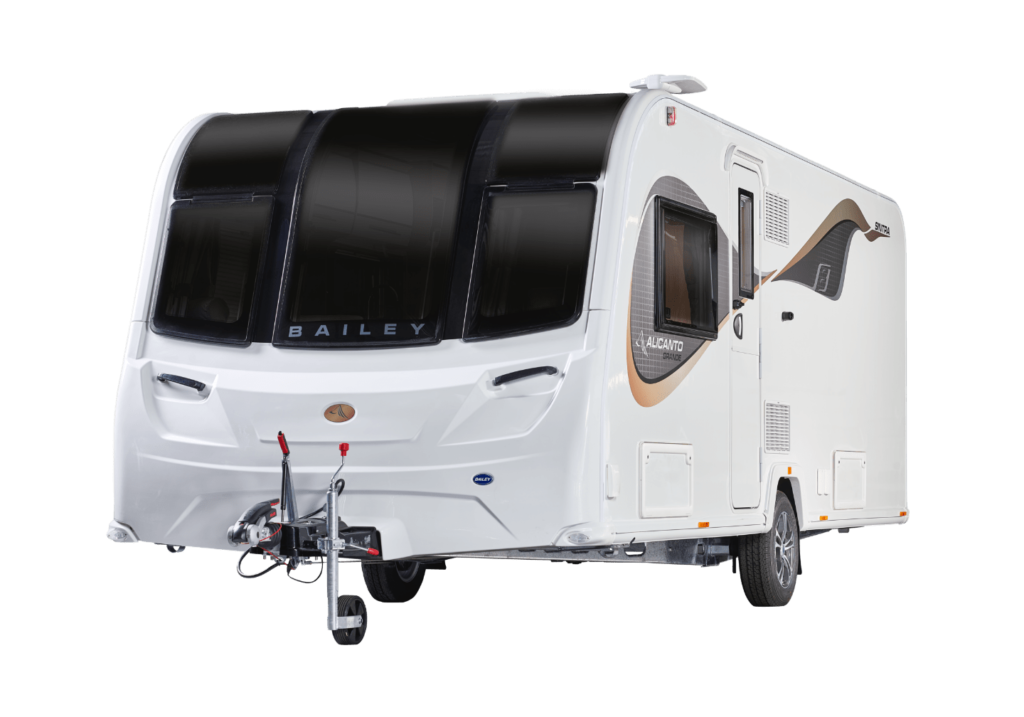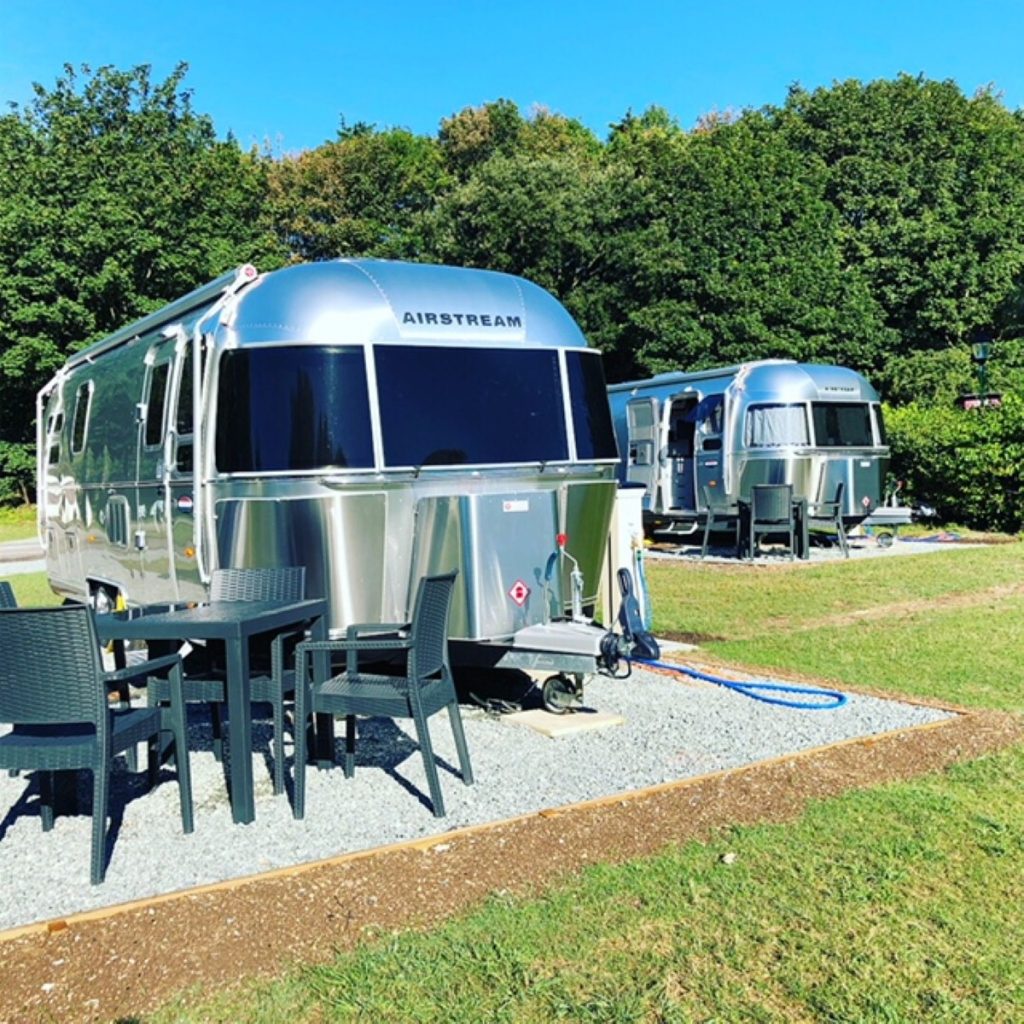

If you’ve never towed a caravan before the prospect might be daunting. In this section you can quickly access the rules on who is allowed to tow and how to best load the caravan for towing. And if you’re curious to get some practise in before heading for the open road, scroll to the bottom of the article for our video feature on towing courses.
Before we embark on towing, it’s worth getting familiar with the DVLA rules for what licence allows you to tow.
The law can often seem confusing to those that are new to caravanning, but, put simply, there are two groups of drivers – those that passed their test before the 1st January 1997 and those who passed it on or after 1st January 1997.
Those who passed before 1st January 1997
You should already have category B+E on your licence. This means that you do not need to take an additional test to tow a caravan assuming the tow car and caravan combination does not exceed 8,250kg – which should give you plenty of scope to choose a tow car and caravan!
Those who passed on or after 1st January 1997
If you passed your driving test more recently, you are only entitled to drive a vehicle up to 3,500kg and tow a caravan or trailer tent no more than 750kg under category B+B1.
A smaller tow car means you can tow a heavier caravan providing the total weight of the combination does not exceed 3,500kg. It is also a legal requirement for the Maximum Authorised Mass (MAM) of the caravan or trailer tent not to exceed the unladen weight of your towing vehicle. The manufacturer’s handbook should be able to tell you the unladen weight of your towing vehicle.
Should you wish to tow anything larger than this, you will be required by law to take an additional test to add category B+E to your licence. With the above information in mind, it’s now time to match your tow car with your caravan. For those new to caravanning and towing in general, it’s best to go for the lightest option and not attempt to go for the heaviest possible caravan for your car.
It is advised that the Maximum Technically Permissible Laden Mass (MTPLM) of the caravan should not exceed 85% of the kerb weight of your tow car. Using your owner’s handbook for your car to find the kerb weight, you can calculate the MTPLM by multiplying the kerb weight by 85 and then dividing by 100.
This rule can only be applied if the maximum towing weight for the car is equal to or greater than 85% of the kerb weight (the handbook should be able to provide the maximum towing weight). If it is lower than 85%, then the MTPLM of the caravan should not exceed this towing weight limit.
To make towing safer, it is important to load your caravan correctly so as not to unbalance it. Resist the temptation to pack everything into the front locker alongside your gas bottles and spare wheel as you could easily exceed the nose weight of your caravan and tow vehicle (the maximum weight the tow bar can take). Exceeding the nose weight of your car and caravan will make towing dangerous.
Only items that are lightweight can be packed at head height in the caravan’s fitted cupboards. Items of medium weight (such as empty aquarolls) should be placed at floor level at the front and back of the caravan to balance out the heavy items placed over the axle. Place heavy items, such as awnings, at floor level and as close to the caravan’s axles as possible. Placing heavy items at the back of the caravan will unbalance it and cause a pendulum effect when towing.
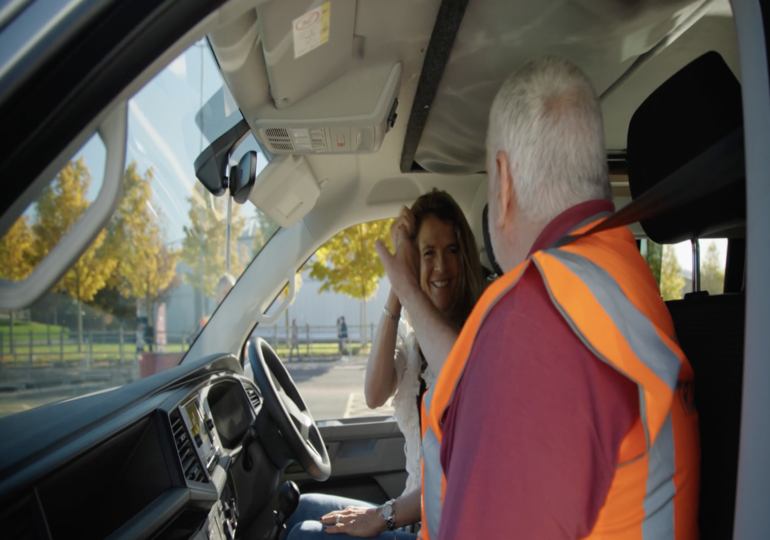
Some new caravans come fitted with towing stability systems such as AL-KO’s ATC. These can prove invaluable in preventing your caravan from snaking and causing an accident. They can also mean you qualify for a discount off your caravan insurance! It’s always beneficial for new caravanners to attend towing courses where they can receive expert tuition on driving and manoeuvring and ask advice from the experts. It could make the first outing that bit less stressful and avoid potential caravan insurance claims!
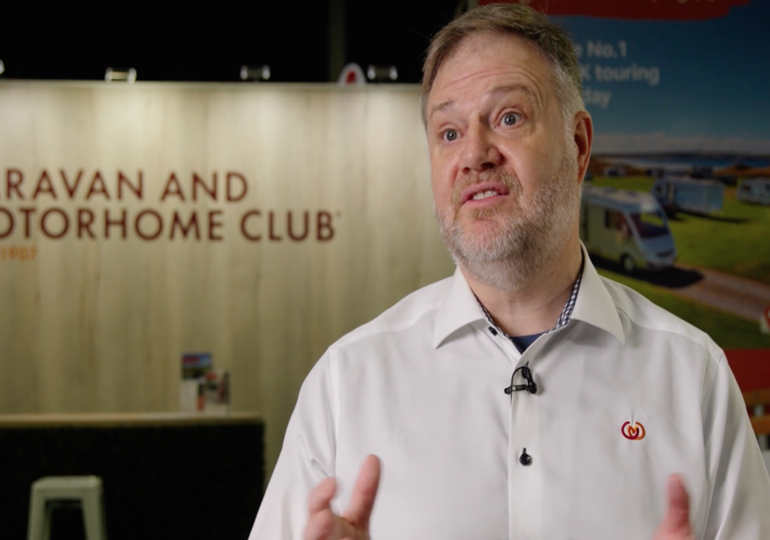
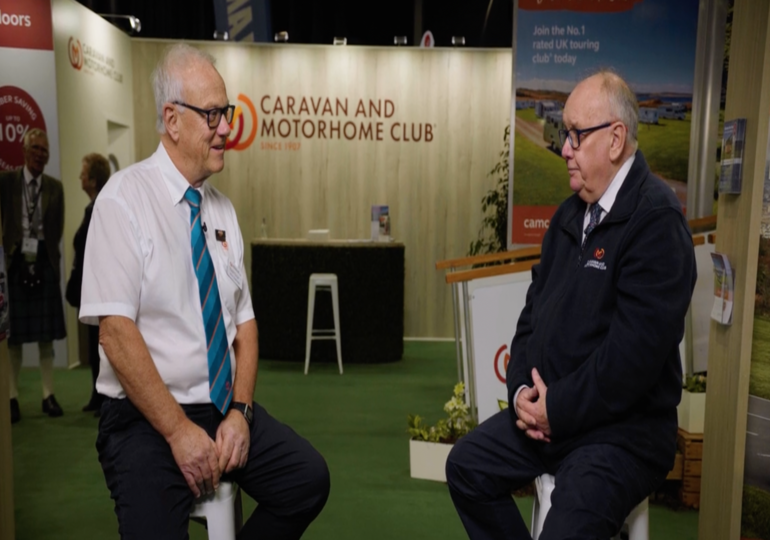
Click below to watch our video feature on towing for beginners.