by Joe Jeffrey
Figures released highlight stark rise in untaxed cars on the road
Figures released from the Department for Transport (DfT) have revealed that the rate of unlicensed vehicles in traffic has increased to 1.4 per cent in 2015 from 0.6 per cent in 2013, since the abolishment of paper tax discs in October 2014.
560,000 unlicensed vehicles are said to be in use, equating to approximately £80 million a year in vehicle excise duty being lost – a figure at its highest since 2007, despite some of this figure set to be recovered through enforcement action or car owners paying arrears at a later stage.
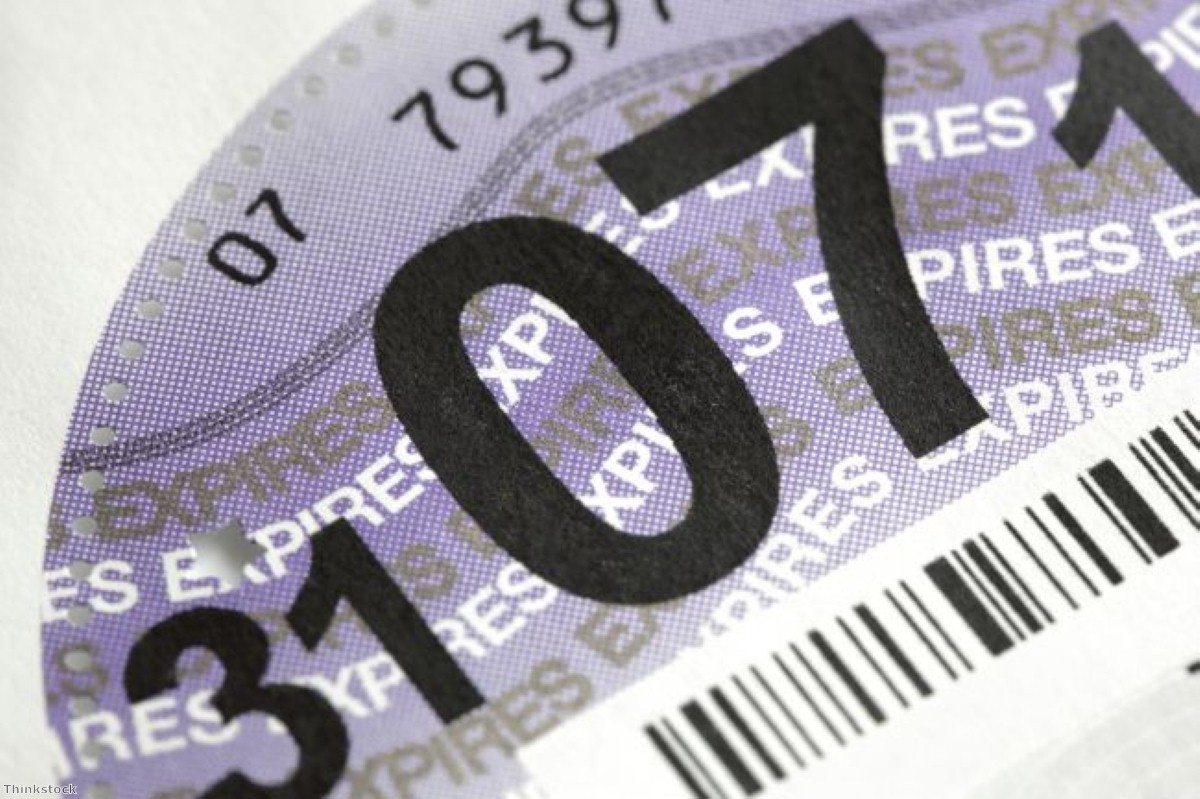
Changes in October 2014 saw the requirement for car drivers to display a valid tax disc scrapped, with reminders of when tax is due instead sent by email. Those who pay via direct debit see their road tax automatically renewed.
However, with the above said, new measures also mean that any existing vehicle taxed automatically would end as soon as a vehicle changes hands, with a refund issued to the previous owner and the onus placed on the new owner to pay tax on the car immediately.
A spokesperson for the DfT said: “There is therefore potential for evasion rates to increase if the new keeper fails to understand or comply with the new arrangements.
“However, this situation can only arise where a vehicle changes hands, and the DVLA have been issuing reminders to all new keepers who have not taxed their vehicle.”
DVLA chief executive, Oliver Morley, said: “Almost 99 per cent of all vehicles on the road are correctly taxed: that’s around £6 billion in vehicle tax passed to the Treasury every year.
“We write to every registered vehicle keeper in the UK to remind them when their tax is due and we have introduced a range of measures to make vehicle tax easy to pay. At the same time we are taking action against those who are determined to break the law.”