Water parks, Vanny Adams and a conversion life hack

Dan Cartwright has over 12 years of experience in the caravan and motorhome industry. He is a judge for a number of prestigious leisure vehicle awards and regularly heads off in his motorhome with his family. Every week, Dan shares his insights with the community. Here’s what he has to say this week.

In previous editions of the Cartwright Chronicle, I’ve shared plenty of advice for caravanners and motorhomers. Now, it’s time to ask our wonderful audience for a favour.

I’m planning a week-long family holiday this summer, either in the UK or in Europe, and I’m looking for the campsite with the biggest, wildest waterpark. The kind that I know exist, but are rather difficult to find. Think multiple slides, wet and wild, with a T25 in the car park.

When I was a child, I loved camping with a pool because it offered something to do every day. Now, I want my five and seven-year-olds to experience that too. They are a little spoiled though, so the bigger the better!

Anybody can send an email to let me know their thoughts on campsites, water parks and any other kid-friendly activities they might have come across elsewhere. We’ll be travelling in June, so the weather should be great for all kinds of outdoor adventures.

Next week, I’ll share some of the best responses, in case anybody else is in a similar situation and looking for an ambitious and spectacular campsite for the little ones.

Please do get in touch!


What’s going on with sweet Vanny Adams?

Old Volkswagens have a huge following. The interior can be changed, swapped, worked on and adapted, but maintaining the engine is crucial. Since purchasing Vanny Adams, we’ve replaced the timing belt and water pump, as well as given her new fluids and filters.

However, anyone who’s owned or worked on an old VW might be aware of the issues that arise when topping up the coolant. It’s quite a tricky process compared to most other vehicles, as the reserve tank is located below the top height of the radiator, which has a bleed valve on the top.

The idea behind the design is that you fill from the reserve tank at the rear, run the engine to pump it, then stop and repeat. The problem is that you can never quite be sure if you’ve gotten the air out and filled the system.

So, having the correct engine coolant and volume is essential. Luckily, I’m pleased to say that I’ve found the best tool for the job and I’d like to share it with you. 

A two-way vacuum filler, which is an air compressor attachment that costs between £50 to £100, will save you a lot of trouble. Using this handy gadget, you just need to have a bucket (or several) with pre-mixed coolant to hand.

Attach the two-way pump to your water system after draining to suck all the air out. This also checks your pipes – if you can’t get good pressure, there must be a crack. Once it reaches 1.5 bar (just under 22 psi), flip the switch while the other suction end is in the coolant, and it will drag your new fluid directly in.

I’ve tried and tested this method and I can guarantee that it’s a certified faff-saver, giving peace of mind for sufficient cooling and even providing a health check on your pipes as a bonus.


A van conversion tip to save time and money

Van conversions are incredibly popular. It’s probably fair to say that almost all of these are motorhomes, as not many people would be able to build their own caravan. But the idea of taking an existing vehicle, like a panel or camper van, and installing your own furniture, gives you a unique ability to style it however you see fit.

Some people believe it can save you money whilst others would disagree, but converting a van does have its pitfalls. Insulation, electric wiring and switches can be problematic, as well as buying everything you need to make it safe, such as 12-volt adapters, inverters, water pumps and more. The whole process can start to become very pricey.

Recently, I was talking to someone currently converting a minibus and he had a brilliant idea. He bought the cheapest caravan he could find, which was leaky and worth very little. This became a donor for his conversion.

The list of items he managed to transfer from the caravan to his conversion is extensive. It includes almost everything from the fridge and cooker to the gas, fittings, adaptors and pipes. He even took the water pump, drainage system and most of the lighting and cabling.

Then, he took the switch gears. This made me think about how time-consuming it is to find everything you’d need for a van conversion. If this person had bought all of his switch gears on the second-hand market, it would have taken him a very, very long time and he might even have run into compatibility issues.

So, buying a donor caravan is an excellent idea and, ironically, once he stripped the caravan, it was then wanted by someone else who intended to turn it into a playhouse for their children.

This feels like a really great way to recycle and a fantastic method to ensure the components in your self-conversion are appropriate, safe and tested when installed originally, in the same way, in your leisure vehicle.

One note from me, though. Getting the cooker out? Not fun. Generally, these are installed before the walls and roof, so if you’re thinking about trying this for yourself, look for a really old caravan with a large front window.

If anyone else has any tips or ideas for converters, do share them and please let me know about the most exciting kids campsite you’ve been to. Stay tuned for the follow-up next week.

Photo credit: Juan Salamanca / Pexels

Dream Destinations: Explore the natural beauty of the Norfolk Broads

Many Brits are planning holidays closer to home this year amid the ongoing cost of living crisis and airport chaos and cancellations. Today, we’re bringing back our popular Dream Destinations series to tell you why the Norfolk Broads should be on your UK touring bucket list. 

The Norfolk Broads is a stunning network of waterways that spans over 125 miles of navigable rivers and lakes in the East of England. A place of natural beauty, tranquillity and unique wildlife, it’s one of the most popular UK destinations for caravan and motorhome enthusiasts to explore.

This man-made national park was created by the flooding of mediaeval peat workings. Today, it’s a protected area that is home to a variety of rare birds, animals and plants, as well as picturesque villages, historic buildings and scenic countryside.

Exploring the Norfolk Broads is an unforgettable experience that allows you to immerse yourself in nature, history and culture. Whether you choose to hire a boat, walk, cycle or drive, there’s something for everyone to enjoy.

Many people choose to explore the Norfolk Broads in a leisure vehicle. There are countless caravan parks and campsites in the area, offering a range of facilities and spots to pitch up so you can explore this incredible location at your own pace.

Activities to enjoy in the Norfolk Broads 

There are over 100 miles of navigable waterways to explore, with various boats available to hire, from traditional wooden sailing boats to modern vessels. Take a leisurely cruise through the winding lakes, meres and dykes stopping along the way at riverside pubs for a pint of local ale before mooring up to explore charming villages and market towns.

The Broads is also a haven for wildlife enthusiasts. Home to over 300 bird species, including kingfishers, bitterns, and marsh harriers, this is a fantastic spot for birding. You may also be lucky enough to spot otters, water voles and rare butterflies. There are several nature reserves to visit, such as Hickling Broad, where you can take a boat tour for a chance to spot the elusive swallowtail butterfly.

For those who prefer to keep their feet on dry land, there are countless walking and cycling routes to explore. For instance, Weavers Way is a 61-mile footpath that winds through the heart of the national park, passing through picturesque villages and nature reserves. All the cycling routes in the area are well-signposted and take you along quiet country lanes and scenic off-road tracks. 

History and culture buffs will also find plenty to discover. Visit heritage buildings, such as the mediaeval ruins of St Benet’s Abbey, and the picturesque windmills that dot the landscape – a remnant from the days when they were used to grind corn and pump water. 

Best spots to pitch up in the Norfolk Broads

Caravanning is a great option for those who prefer to bring their accommodation with them and enjoy more space and flexibility than a boat or hotel can offer. Moreover, it’s an affordable way to travel with the whole family and immerse yourself in the best that Britain has to offer. 

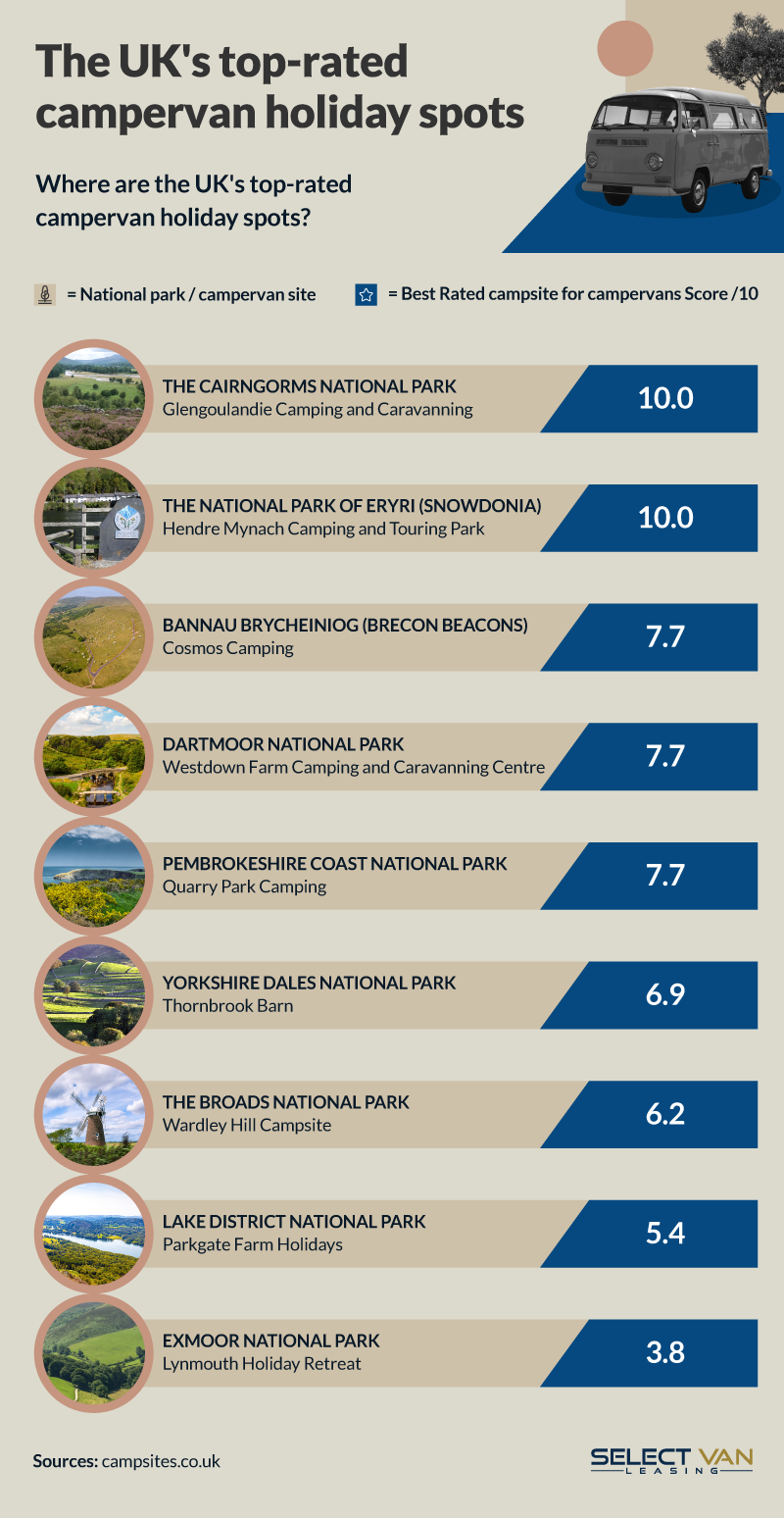
Many of the caravan parks and campsites in the Norfolk Broads are located in picturesque spots, with stunning views over the water or surrounding countryside. They offer a range of facilities to guarantee your comfort and some even feature their own boat hire facilities. Here are our picks for the top spots to pitch up in the area. 

  1. Norfolk Broads Caravan Club Site: Operated by the Caravan and Motorhome Club, this site is located on the banks of the River Thurne and offers pitches for caravans and motorhomes. Situated nearby the historic town of Potter Heigham and the Hickling Broad Nature Reserve, this site has its own facilities.
  2. Waveney River Centre: This award-winning park lies on the shore of River Waveney and features a range of accommodation options for all budgets, including luxury lodges, glamping pods and touring pitches for caravans and motorhomes. The park has its own marina and boat hire, as well as an indoor pool, restaurant and play area for children.
  3. BeWILDerwood Camping: For a truly unique experience, consider staying at BeWILDerwood Camping, located within the BeWILDerwood adventure park. The attraction is based on the children’s books by Tom Blofeld and features treehouses, zip wires and magical woodland trails. 


Image credit: Andrew Banner / Unsplash

Hidden gems and inspiration for 2023 touring

Dan Cartwright has over 12 years of experience in the caravan and motorhome industry. He is a judge for a number of prestigious leisure vehicle awards and regularly heads off in his motorhome with his family. Every week, Dan shares his insights with the community. Here’s what he has to say this week.

This week in the Cartwright Chronicle, I’m pleased to introduce a very special guest – Rodrigo. He’s been a production manager here at CaravanTimes for several years and, like myself, has attended many industry events and seen the best of what our community has to offer.

Rod recently returned from the Sahara Challenge, where he was working as a producer and camera operator. A huge thanks goes out to him and the wider crew, who have provided fantastic updates and now published the full documentary, which you can check out below.


Inspired by the success of the Sahara Challenge and his first ever experience of staying overnight in a motorhome, Rod has decided to head off across the European continent for a two-week holiday with his partner.

Before we get into that, I want to share some of my touring plans based on hidden gems that I’ve uncovered.


The joys of pop-up campsites

Last year, we had the privilege of attending the Caravan and Motorhome Club (CAMC) pop-up campsite in Holkham Hall. Rod was actually with me then, too. We made a short video about the campsite which you can see below, but I wanted to highlight just how special these events are.

They offer the chance to camp in places you’d never usually be able to. At that event, we camped in the grounds of Holkham Hall, accompanied by sheep and deer, right in the heart of the estate.

Just a ten-minute walk took us to some of the best beaches in the UK and the site had everything we needed. CAMC pop-up camping provides electric hook ups, toilets, washrooms, showers and plenty of activities for the kids to do. It’s incredibly peaceful and beautiful, so it’s well worth checking out upcoming events. This is not rallying it really is a popup campsite. 

The 2023 schedule has just been announced, with this summer’s pop-up campsite being held in the New Forest, which I’ll be visiting with my young family. It’s running between the fourth and 31st of July, meaning parents who want to enjoy the experience with their children can head straight there at the start of the school holidays in the final week of the month.

Prices start from just £39 per night. I’m really excited to wake up next to the famous wild horses, head to local villages and meet lots of friendly campers and CAMC staff.

Later in the summer, the Holkham Hall pop-up makes its return. From July 11th to September 17th, you’ll have the chance to experience one of my favourite ever campsites. I’d highly recommend taking a look at the CAMC website for more information.

A word of caution – these campsites fill up quickly. They’re space and time-limited, so if you are considering it, reserve a spot as soon as possible.


Now, on to Rodrigo!

Sahara Challenge Interview

I sat down with Rod to talk about the Sahara Challenge, what it was like to film and how it inspired him to plan his own adventure.


Tell us truthfully, how were the leisure vehicles?

Rod: “Incredible! The only damage was caused by drivers, not the vehicles themselves. We lost a jockey wheel due to rough terrain and a corner of a motorhome was bumped into on the ferry. Well, Martin Fitzpatrick took a slightly wide turn! A Ford Ranger also had a fuel leak after somebody went jumping over the sand dunes in it.”

Dan: “A few user errors, then. If you’re going to jump a two-ton pickup or crash into a post, you’re going to expect some damage, but it’s good to see the leisure vehicles held up.”


How easy was it to get to North Africa?

Rod: “It was surprisingly easy. The ferry crossing took a bit of time as the Moroccan authorities checked the vans with X-rays and there was lots of paperwork to do. After that, though, it was fine. The roads were great at the beginning but started to get much rougher as we headed south.”


What about the campsites and facilities?

Rod: “We stayed at what must have been a five-star campsite in Marakesh, with a swimming pool and restaurant. Then, we experienced others that were about the size of a parking space with really basic facilities. A mixed bag, for sure.”


What was the toughest thing about documenting the trip?

Rod: “Obviously, the Sahara Challenge team was very large. So, just the two of us documenting it was always going to be challenging. I’d say the biggest obstacle was that everyone was very tired from driving and the days just weren’t long enough – by the time we’d sit down to do interviews it’d be dark and impossible to film.

“Another challenge was that the two of us would always drive ahead. We’d scout for locations, head out first in the vehicle, get into position, let the convoy pass, then get back into our truck and catch up again. Overall the experience was really fun and we captured some amazing shots whilst hanging out the window with the camera!”


What was more fun, filming or editing?

Rod: “Filming. Easily.”

If you haven’t seen it, there’s a full documentary. It’s the result of six weeks of work for just two people. We’re really proud of it, so make sure to check it out.


Having worked on this for two weeks, what made you decide to plan a motorhome holiday this summer?

Rod: “I love being on the road. It’s even better if you have somewhere to sleep, no matter where you go. So, I thought it’d be a brilliant idea to try it for myself. The Sahara Challenge was amazing but ultimately, it was still work. Now, I want to go off on my own and take in the whole experience.”


Are you worried about taking it on a ferry?

Rod: “No, I won’t crash it into a pole – I promise!”


Where are you planning to go?

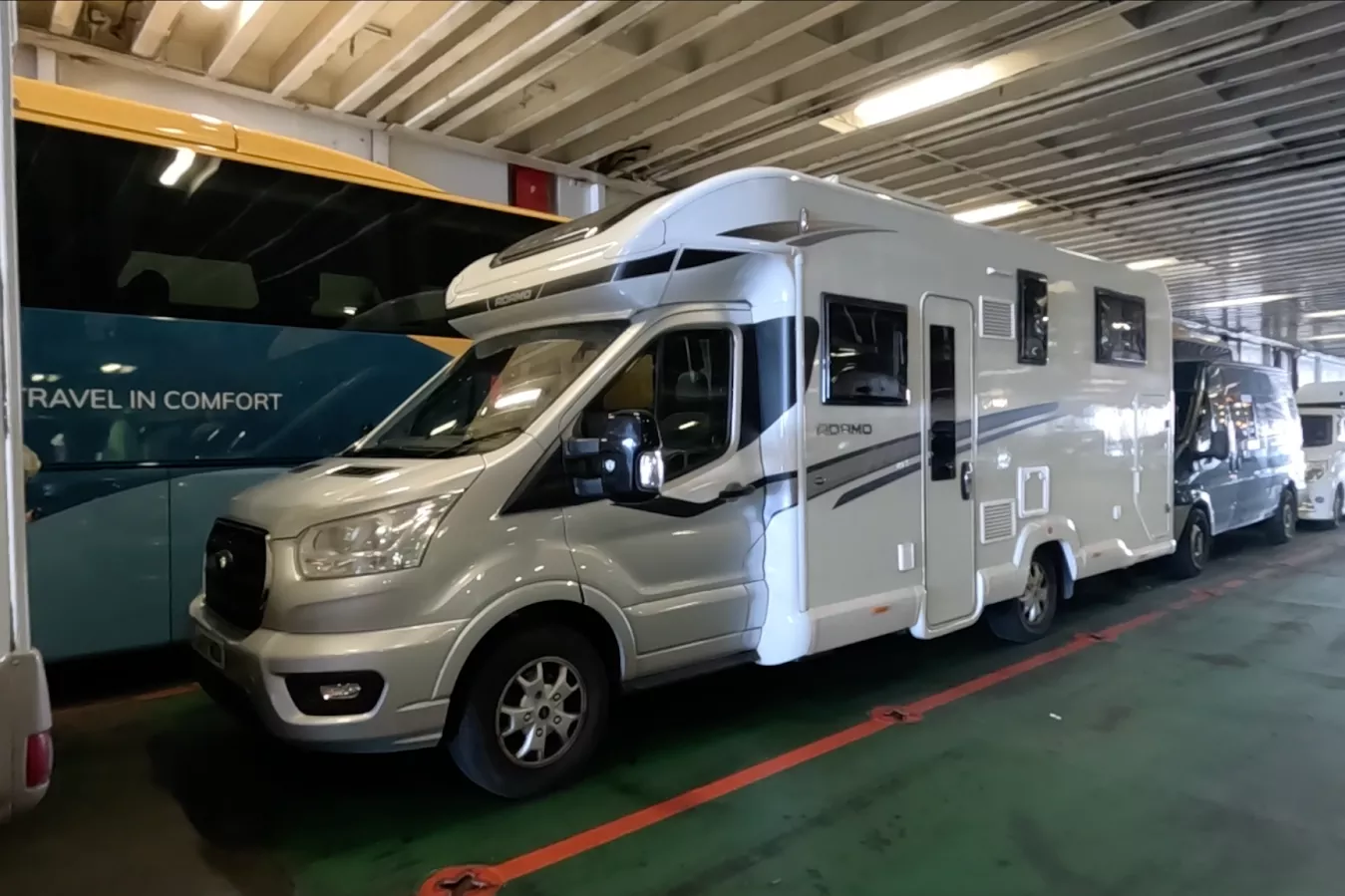
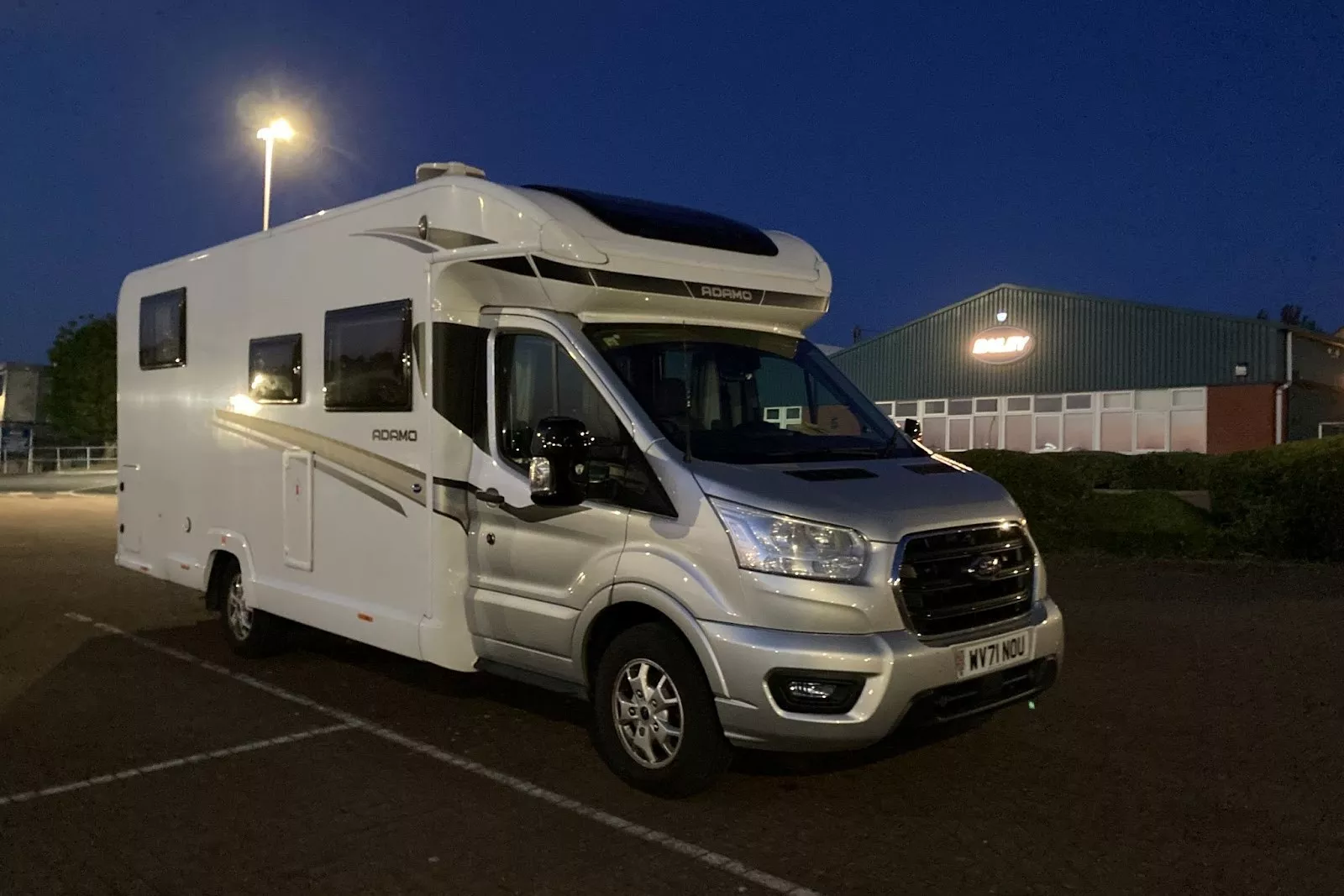
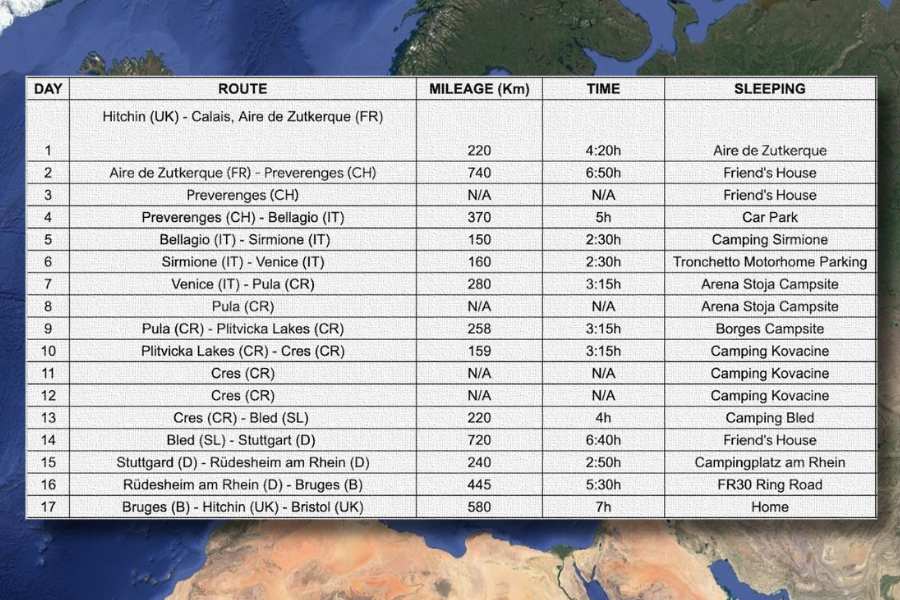
Rod: “My partner and I want to start in Switzerland. Obviously, that means we need to drive the motorhome there, but we might only stop once on the way. From there, we’ll follow the Alps through Italy, then head south through Slovenia, make our way to Croatia and then all the way back.”


Last one – how does your partner feel about this? Was she expecting a flight abroad, or is she ready for a motorhome holiday?

Rod: “She’s as excited as I am. My partner has never been in a caravan or motorhome before, so she’s looking forward to it. We’ve been on lots of journeys on my motorbike together with tents, but with the comfort of having a proper bed, kitchen and bathroom, it sounds great. Plus, a fridge full of beer… for when I finish driving, of course.”


Final thoughts

There we go! Whether or not you’re planning an exclusive minibreak in the UK, a trip to northern Africa, or even a cross-continental getaway, here are some ideas and inspiration for you to help.

If you are journeying abroad, check out the CAMC’s international site network. It’s great because you can plan your trip knowing exactly what to expect. Additionally, look at your insurance policies. I’d strongly recommend one with trip continuation. We always use the CAMC’s Red Pennant, but there are others available.

How to camp like royalty on a budget

Despite recent snow warnings, the sun has been appearing much more frequently in the British sky. This can only mean one thing: Camping season is just around the corner.

If you’re planning to camp on your next caravan or motorhome adventure, you’ll be pleased to know the experts at GO Outdoors have some advice to make your experience feel more like a five-star glamping retreat.


1. Explore beyond-tent camping

The industry is constantly evolving and pushing the boundaries of what traditional camping really means. If you’re looking for a bit more luxury than a two-man hiking tent, there are plenty of campsites that provide bell tents, shepherd’s huts, yurts and many other types of canvas.


2. Check the reviews before you go

When choosing the right campsite for you, preparation is key. One of the best things about our community is that we look out for each other and love to share our opinions. So, if you’re looking at a particular site, check to see what others have said about it, including facilities, cleanliness, location, staff service and beyond.


3. Eat like you’re on holiday

Caravanning and camping don’t have to involve eating tinned beans. There are so many options for cooking available, from barbecues to portable wood burners, which allow you amazing meals from the convenience of your pitch.


4. Prioritise comfort

Comfort is possibly the most important part of any camping stay, so make sure you bring furniture to put your feet up after a long day of adventures. For additional luxury, consider swapping the standard chair for a deck chair or even an inflatable sofa.


5. Secure a restful night’s sleep

There is nothing glamorous or royal about a rough night’s sleep. Your arrangement needs to keep you warm and cosy so you can get that all-important beauty sleep and wake up feeling fresh for the next day’s activities. You need to consider:

  • Tent – choose the right tent for the weather conditions, but more importantly, make sure the size is convenient for you in terms of privacy, storage and ventilation
  • Sleeping bag – in colder climates, a mummy sleeping bag works great. The tapered end means there’s less air circulation around your feet, keeping you nice and cosy.

Pillow – they say nothing beats home comforts, so take a pillow or two from your house for something soft to lay your head on. If you’re tight for space in your vehicle, look out for inflatable camping pillows.

Photo credit: Matheus Bertelli / Pexels

Summer travel chaos predicted for 2023

Touring enthusiasts are looking forward to heading to the continent this summer. For many of you who don’t own a caravan or motorhome or don’t fancy spending days driving to your chosen location, renting a leisure vehicle once you get there is a good alternative. However, it’s important to be aware of potential interruptions to your journey. 

Recent disruptions that took place over the Easter weekend reveal that many airports and airlines are still struggling to keep up with the increased demand for travel post-pandemic. Much like in the summer of 2022, Brits heading abroad should prepare for long queues, delays and cancellations

Connor Campbell, a personal finance expert at NerdWallet, has advised on what steps to take if your flight is affected. 

“Often it is difficult to know what to do when a flight is cancelled. In those initial moments of stress, it can be easy to forget your rights as a consumer. Yet you should be aware that there are various regulations that all airlines are obliged to follow that can help you to navigate the fallout of your flight cancellation.”

Under the Civil Aviation Authority, you have several rights if your flight is cancelled. First, your airline must give you the option of receiving a full refund or choosing an alternative flight. You are also entitled to a full refund for any part of the ticket you haven’t used. 

Additionally, airlines must provide you with other assistance until you’re able to reach your destination. This includes vouchers for food and drink, free accommodation if you have to fly the next day, return transport to and from the accommodation and a form of communication (such as reimbursement for the cost of phone calls). 

It’s important to check the conditions when booking your flight and to take precautionary measures to ensure that you are covered in case your flight is cancelled or delayed. 

So, what can you do if you are worried about a potential cancellation? 

One of the best ways to protect your money is to pay with a credit card. If your airline wrongfully denies you a refund you can simply initiate a chargeback. Another method is to take out insurance that covers the failure of an airline. Often, providers can offer up to £2,500 for loss on air tickets and any additional costs incurred. 

Note that if you booked your flight, accommodation and leisure vehicle rental separately, the airline will not be responsible for refunding you. This means you may need to take out an independent travel insurance policy. 

Many Brits are planning UK staycations in their caravan or motorhome to avoid the hassle of airports and potential cancellations altogether. Whether you’re looking for a relaxing countryside getaway, a beach holiday or a lively city break, there’s plenty to explore across the country this summer. 


Image credit: Artur Tumasjan / Unsplash

The trials and tribulations of camping in a tent

Dan Cartwright has over 12 years of experience in the caravan and motorhome industry. He is a judge for a number of prestigious leisure vehicle awards and regularly heads off in his motorhome with his family. Every week, Dan shares his insights with the community. Here’s what he has to say this week.

As the warmer weather starts to creep in, the great outdoors becomes so much more appealing – especially for those who want to try it for the first time in a tent. There are lots of festivals starting up and for many people, this will be their very first experience sleeping under the stars. Or rather, under a canvas, under the stars!

Rather than banging on about caravans and motorhomes, I’m taking a break from the regular schedule to give some pointers for those camping for the first time. I’m certain that all of these tips will make your experience as enjoyable as it can be.

You might have already guessed, but the following lessons have all been learned the hard way. I’ve made these mistakes myself as a novice, camping all around the country. So, here’s how you can avoid them altogether.


Understand the difference between inner and outer

Tents have a waterproof outer layer and in the sleeping area, an inner layer that’s not waterproof at all. The external fabric loses its function if it’s touched from the inside. This might sound elementary, but depending on the size of your tent and what’s inside it, it can be an easy mistake to make.

If you’re shopping for tents, my top tip for being on the safe (and dry) side is to take the number of people it suggests can sleep inside and divide it by two. This should provide ample space to camp without having yourself, bags, sleeping mats or clothes pushing against the insides.

When I was completing my very first Duke of Edinburgh expedition, nobody adhered to this rule, despite our teacher offering very strong advice. Consequently, every member of the group ended up carrying soaking wet clothes and equipment for the remainder of the trip. Of course, they weighed twice as much as usual and were useless from there on out. Happy days.


Never count on the British weather

Ensure you pack for the worst-case scenario in terms of kit, but remember how you leave your tent is just as vital to your experience. I was once in the Lake District across the Easter weekend and there was a huge snow flurry. 

I woke up feeling warm and toasty and decided to leave my things and head out for a walk. It eventually turned into a beautiful day – until I returned. The weight of the snow had pushed the inner and outer layers together and, as it melted, went pouring into my tent and all over my belongings.

Around five o’clock in the afternoon, temperatures dropped back down to freezing and with no other choice, I had to put on my waterproofs and sleep in them for the slightest bit of insulation. Had I simply thought clearly, packed everything away that I wasn’t bringing on the hike and cleared the snow from my tent, I’d have been warm and cosy again.


Be realistic about the size and shape of your tent

I’ve been to plenty of festivals and for newbies, there are certain things you learn pretty much immediately. For example, that picture you might have painted in your head of parking the car and walking a few metres to your area? No chance.

On my first Glastonbury experience, I had to carry an ex-girlfriend’s back-breakingly large tent about a mile and a half from the car park. She couldn’t do it, so I had to take my little tent and hers, which weighed as much as a small child, with no decent carry straps. She assumed we’d be camping right next to where we parked and, at that moment, a valuable lesson was learned.

I’ve seen lots of people make the same mistake. If you’re carrying things, think carefully about the size and weight they pack down to – you might want to consider something smaller. Hiking tents are a lot more practical for festivals or first-time campers than huge family-sized tents or pop-up ones.

Finally, make sure you practice putting up and taking down your tent before you go. Trying to set it up for the first time when you’re tired and the rain is pouring is not going to be fun. Trust me!


Bin liners and orange survival bags are your friends

This one probably sounds questionable if you’ve never been camping, but let me explain why it’s potentially life-saving. Orange survival bags are durable and heavy-duty – think rubble sacks. You could fit a human inside one, or simply your belongings, to keep dry.

No matter what happens with a rucksack, even if it says it’s waterproof, that will only be true when it’s fully zipped up. Having 100 per cent waterproof bags that you can throw items in, wrap them up and leave in your tent is a game-changer. This ensures your belongings stay dry, even if something happens to your canvas.

Of course, plastic bags aren’t good for the environment. I’d recommend investing in good quality ones and you’ll keep them forever. I’m still using the same survival sack that I bought when I was 13 years old.


Camping sounds… terrible?

If you’ve never been camping before, I promise you’ll have a fantastic time. It’s so much fun and you’ll learn a lot from the experience. If you do run into any of these problems, don’t be dismayed. There’s always a silver lining and, when it comes to camping, it’s that you’ll never have the same problem again because you’ve learned your lesson. Just like me!

Remember, in a tent, it’s very hard to get warm and dry if you’re cold and wet, so protect your equipment as much as you can.

Photo credit: Xue Guangjian

Safety tips for setting up your caravan or motorhome this year

As spring enters full bloom, plenty of caravan and motorhome enthusiasts will be turning their attention to the arrival of the camping season. The days are getting longer, the weather warmer and suddenly the prospect of sun-soaked evenings and flame-cooked favourites is almost tangible.

If you’re planning to head away in your motorhome this year, there are certain things you should know beforehand. The idyllic camping experience begins with choosing the right pitch. But whether you’re a well-seasoned veteran or a caravan and motorhome newbie, you need to know how to set up your station effectively whilst complying with safety regulations.

Many leisure vehicles will have been dormant over the winter period, left on driveways or inside garages and, consequently, won’t be ready to use immediately when the warm weather does come around.

Luckily, the experts at Flogas have put together the relevant checks you need to make before setting up to ensure a full squad of happy campers.

Pitch perfect

Picking a great spot can often be integral to your enjoyment. Look for a space with quick access to the essentials, including water, electricity hookup and additional toilet facilities, if required.

It’s worth noting that depending on the size of your campsite, parking could be a challenge. So, make sure you leave enough room around your vehicle for slideouts and all-important seating areas for barbecues.

Cooking on gas

Caravan and motorhome holidaymakers know the experience of sitting around the campfire, basking in the afterglow of a fantastic day out. Investing in portable gas bottles is a great way to ensure you’re always prepared – just make sure to check your levels before setting up.

Do be aware that a regulator is needed for your gas supply and hoses must be marked suitable for use with LPG. They’re stamped with a production date and must be less than five years old, so make sure to take a look.

Electric dreams

Electricity hookups at your campsite will allow you to operate devices like kettles, toasters, televisions and hairdryers. As such, it’s important to make sure you’re parked close enough to one.

When connecting, ensure everything in your motorhome is turned off, including the hookup itself. Once everything is connected, simply turn the circuit breaker back on and relax.

Level up

Those new to the caravan and motorhome community may not know, but levelling your vehicle safely is one of the most important skills you can learn. Find firm ground and make sure to purchase strong, durable levelling ramps to hold your motorhome in place.

Photo credit: Kampus Production / Pexels

Tips for staying safe on a solo touring adventure

Solo travel is on the rise and bookings for independent adventures have increased significantly since the end of the pandemic. However, there are some common obstacles that may put people off holidaying unaccompanied. The main concern, particularly for female travellers, is personal safety. 

If you’re planning a lone getaway in your caravan or motorhome this summer, here’s some advice from the travel experts at Panache Cruises to ensure your trip is as safe and enjoyable as possible. 

Whether you plan on exploring the UK or heading to the continent, sleeping in a caravan or pitching up in a tent – these tips will help you to make the most of your solo touring adventure. 

Inform friends and family of your location

Before setting off, be sure to tell at least a few people close to you where you’re going and keep them updated with any changes to your itinerary. If you’re heading off the grid, be sure to check in regularly when you manage to find a connection. 

Create an emergency plan

Do your research and note down local hospitals, police stations and other useful spots in your chosen destination. If you’re visiting a place where a foreign language is spoken, learn some basic phrases such as “I need help”, and memorise emergency services numbers. 

Stay safe

Safety should be a top priority when solo touring. Make sure to research the safety of your destination, avoid isolated areas and keep valuables hidden. Consider taking a self-defence class before embarking on your trip, and always trust your instincts. 

Be cautious with new acquaintances

While heading off alone in your caravan or motorhome, you’re likely to meet new people and form friendships along the way. Use caution when spending time with new acquaintances and avoid sharing personal information or going to isolated areas with them.

Learn about the local culture and laws

Before travelling to a new destination, research the area and familiarise yourself with local customs and laws. This can help you avoid potentially dangerous situations and stay safe while exploring in your leisure vehicle. 

Trust your instincts

If something seems off, trust your instincts and remove yourself from the situation. If you feel uncomfortable or threatened, seek help from a trusted authority figure, such as a police officer or campsite staff.


Photo credit: Manuel Meurisse/Unsplash

Is touring the best option for a holiday in Orlando?

Dan Cartwright has over 12 years of experience in the caravan and motorhome industry. He is a judge for a number of prestigious leisure vehicle awards and regularly heads off in his motorhome with his family. Every week, Dan shares his insights with the community. Here’s what he has to say this week.

I’ve recently returned from a short holiday with my family to Orlando, Florida. I’m lucky enough to have relatives out there to stay with, but it’s one of those all-time holiday destinations that offers everything from wildlife and beaches to Disneyland and Universal Studios. On top of that, it’s sunny all year – take it from someone who’s brought his kids to a water park on Christmas Eve and spent the entire day reapplying sun cream!

Most families that can afford to visit Orlando want to do it all, but something people don’t always realise is how spaced out the main attractions are from one another. This can really limit your ability to cover everything in one trip if you don’t have a vehicle to get around in.

On my holiday, I was struck by the increasing cost of hiring a car. For a family-sized vehicle, I paid around $60 to $70 per day (£48 to £56), but this got me thinking – what about a caravan or motorhome trip for the perfect Florida vacation?

Well, I’ve done a fair amount of research on this and visited a few RV and caravan rental companies during my holidays. It’s a viable prospect from both a financial and comfort standpoint, so here’s what I found out. Not everyone is fortunate enough to be able to stay with family in Orlando, so let’s talk about touring options.


Vehicles

There are gazillions of makes, models and brands of leisure vehicle out there, so I’m not bothered about looking at specific examples. Essentially, your standard family caravan is nine metres long – exactly the same length as an RV. So, expect a rig of this size. Pretty much everything I’ve seen comes with air conditioning, a gas supply and usually a generator, as lots of RV parks don’t have electric hookups available.

Caravans

In terms of which vehicle you choose, it depends on how comfortable you are towing and the size of your family. The only real benefit to picking a caravan is that they can sleep up to nine people. Renting a pickup truck in the States is relatively cheap compared to cars, but hooking up, manoeuvring, towing and filling up gas on a combined 15 to 20-metre rig is challenging and probably not suited to just a few days per destination.

Additionally, the cost of a hire car combined with the price of a caravan makes it more expensive. However, if you are a large family, it’s worth looking into. In terms of money, the typical rental is around $140 (£112) per night for a caravan, but you’ll be spending roughly $70 (£56) on a car or truck too, although the caravan can act as your accommodation.

RVs and motorhomes

Prices tend to start from around $130 (£104) for a small RV, then $150 to $200 (£120 to £160) depending on the size, spec and level of luxury in a coach-built motorhome. At the top end, you’d be likely to pay $200 to $250 (£160 to £200) per day for the quintessential American tour bus-style, fully-integrated motorhome.

You might choose to take out an additional insurance policy to reduce your excess, either with the rental company or through your own provider – which is a lot cheaper. These vehicles are mile-limited depending on the supplier and most offer the opportunity to purchase these in advance, at a cheaper rate. If you go over the set limit, it generally costs about 40 to 50 cents per mile.

Within roughly 12 miles of Orlando International Airport (MCO), there are at least seven RV and caravan rental companies. They will bring a caravan directly to a place of your choosing, whilst for RVs you can take a short taxi there or arrange to pick one up directly from the airport.

I’d recommend going to the rental company if you’re collecting an RV. This way, you can choose to swap vehicles if needed and the staff will have more time to give you a proper induction before you set off with it.


Is touring the way to go?

Once you’ve figured out the costs, touring Florida means you can head to the Atlantic coast one night and the Gulf coast the next. You can make a stop at the Kennedy Space Center, then head to Disneyland and leave your accommodation right in the car park, before getting a shuttle straight into the resort.

The roads very easily accommodate larger vehicles and, considering driving is almost a must within America to see different locations, the price of renting an RV is incredibly competitive compared to hiring a car and a hotel.

An RV will sleep up to six people, so depending on your family size, everyone could have their own bed. Parks are actually really nice, especially in tourist areas, but if you’re heading to more remote destinations make sure to do a bit of research to find out where things are and avoid getting lost. Caravans and RVs are popular among Orlando natives – they’re actually remarkably versatile vehicles for that climate.

So, if you’re thinking about that next big family holiday to Orlando, I strongly recommend that you consider an RV rental for a fantastic experience.

Photo credit: Caroline Cagnin / Pexels

Trespass for Trees this April

Trespass to land is widely understood to mean the illegal entry of another person’s property. We live on a beautiful and largely rural island but, of course, almost all of the land in the UK is owned by someone.

Well, it might surprise you to know how easy it could be to land yourself in a legal battle for trespassing. According to the Right to Roam campaign, 92 per cent of the countryside and 97 per cent of rivers in Britain are off-limits to the public.

What does this mean exactly? For the caravan and motorhome, camping and wider adventure holiday communities, it means that wandering off a footpath, swimming in a river, exploring and educating yourself about the Great British outdoors could make you a trespasser in all but one-tenth of the UK.

Right to Roam runs plenty of events and campaigns to draw attention to the problem and keep access high up on the political agenda. Here’s what it has in store for April.


What is Trespass for Trees?

For this year’s Earth Day (Saturday 22nd April), Right to Roam is collaborating with Trash Free Trails to combat the cutting down of trees by developers, councils, landowners and contractors.

The CaravanTimes community has an innate love for all things nature, but our trees have very little protection. On private property, they’re even more vulnerable, as landowners can chop them down without anybody watching. If a tree falls in a forest and nobody is around to hear it…

Even when people stand in opposition, it’s sometimes not enough. Fortunately, those fighting against tree felling can apply for a Tree Preservation Order. In effect, any cutting would need to wait for written consent from the local authority before it can take place. This can be applied to individual trees, collections and even whole woodlands, depending on the circumstances.

Most importantly, anyone can apply to protect trees. So, Right to Roam is calling on nature lovers to identify and protect a tree of their choosing that resides in the 97 per cent of British countryside we’re generally prohibited from being in.

To find a group near you, head to the Right to Roam website, or simply enlist your friends and family to help out for a great cause. Additionally, you can identify trees near you by using the Woodland Trust Ancient Tree Inventory, which will show you whether each one is on public or private land.

Finally, in the spirit of Trash Free Trails, bring a litter picker with you on your next caravan or motorhome adventure. Let’s make it our mission to leave the world more beautiful than we found it.

Photo credit: veeterzy / Pexels

Caravans become a hot ticket item for millennials

An increasing number of Brits are seeking more affordable ways to travel amidst the cost of living crisis. Many are investing in leisure vehicles as their interest in cheap and sustainable holidaying options grows. It’s no surprise then that caravanning holidays are the top choice this summer. 

One of the largest demographics demonstrating the growing demand for caravans and touring holidays is millennials (those born between 1981 and 1995, also referred to as Generation Y)

Research by The Insurance Emporium has revealed an 85 per cent increase in millennial policyholders since 2019. 

This demographic now accounts for 23 per cent of all touring policyholders, a surge that is being driven by an increase in caravan ownership for people under 40 years of age since the pandemic. In fact, the number of first-time caravan buyers has risen 20 per cent, with millennials accounting for a quarter of sales. 

However, it’s not just investments in new leisure vehicles that are piquing the interest of young touring enthusiasts. 

Gen Y are known for their concern for the environment and sustainability, which has led many to prefer planning trips around the UK or within driving distance to reduce their carbon footprint. 

Recently, there has also been a boom in second-hand caravans and motorhomes and the van conversion market, which also reflects buyers’ interest in sustainable and affordable alternatives to purchasing new vehicles. This may explain why searches for “caravan interior ideas” are up 60 per cent on last year, with millennials accounting for 52 per cent of those.

Beyond the cost of living crisis and people’s shifting attitudes towards travel, there are other factors that may be driving younger generations’ interest in caravans. 

Francis Martin, CEO of The Insurance Emporium commented: “We know that millennials are a very family-orientated generation, therefore caravans provide the perfect opportunity for a family getaway. From weekends away to the coast to family-friendly festivals, caravan travel provides a new adventure each time. There’s also the multi-generational element that caravans can bring together several generations of the same family in one place.”

Sahara success, Space Camp and a Vanny Adams update

Dan Cartwright has over 12 years of experience in the caravan and motorhome industry. He is a judge for a number of prestigious leisure vehicle awards and regularly heads off in his motorhome with his family. Every week, Dan shares his insights with the community. Here’s what he has to say this week.

This week at CaravanTimes has been extremely busy, so I thought I’d give our readers an update on a few of the things going on at the moment. Undoubtedly, many of you will have already been following along closely. 

Read on to find out how the Sahara Challenge concluded, why CAMC aren’t really opening a lunar campsite and what we’ve been doing with sweet Vanny Adams.


The Sahara Challenge

Over the weekend, our talented crew of two completed the Sahara Challenge. They relaxed into a well-deserved evening off, before heading straight back into the office the next day to start editing footage.

A massive thank you to Rodrigo and Rob, who documented the whole adventure. I hope they had a great time out there, but I know it was certainly very hard work with plenty of sand in the equipment too.

I hope you’ll agree with me that the crew got some fantastic footage. Parts one and two of the journey are both available to watch below. 

The final video, in which the team travelled across Dores Gorge and Fez, will be coming out very shortly. Look out for some great behind-the-scenes content, including a Moroccan fixer crashing a Ranger on the dunes – we have evidence that it wasn’t our crew!

Part one:

Part two:


Goodbye to Space Camp

Whilst the prospect of Space Camp sounded incredibly alluring, we’ve since had to come clean – April Fools! Social media blew up following the announcement last weekend, featuring CAMC director general Nick Lomas in a space suit, broadcasting from the lunar surface at the Club’s most daring project to date. If you missed the video, take a look below.

A second video followed on Sunday, revealing it was in fact a clever way of promoting CAMC’s involvement in the Sahara Challenge, as well as its international site work. The Club is doing a fantastic job of inspiring people to take their leisure vehicles further afield – but maybe not to the Moon.

View the April Fools video below.

An update on Vanny Adams

After announcing CarvanTimes’ newest addition in my last column, I wanted to update everyone on exactly what we’ve done so far with sweet VA.

We’re still waiting for a few parts to arrive for the engine service. Because it’s been changed, we aren’t sure exactly what type of engine it currently has. So, we’ve had to remove, identify, order and replace individual parts to get a clearer understanding.

Don’t fear, though. We’re committed to using Vanny Adams as intended. So, to identify further faults, we’ve been using it daily for the school runs – about five to ten miles of travel each day.

Since we started driving Vanny Adams, we’ve completely blown the coolant. It looks to be just a disconnected pipe which luckily we identified before we lost it all and the engine seized. Now, we’re starting to look at the brakes too. On rough ground, we had one tyre blowout, but otherwise, VA is shaping up nicely.

It’s been such a busy week, but time flies when you love what you do. Please send in any suggestions for Vanny Adams, including accessories you’d like to see tested and reviewed. 

Photo credit: Chris Larson / Pexels